50/30/20 Rule Explained: A Simple Budgeting Method for Americans
Managing money can feel overwhelming, especially with rising living costs in the United States. If you’re looking for a simple, proven budgeting method, the 50/30/20 rule is one of the best ways to take control of your personal finances.
This guide explains:
-
What the 50/30/20 rule is
-
How it works in the USA
-
Real-life examples
-
Benefits of using this budgeting rule
What Is the 50/30/20 Rule?
The 50/30/20 rule is a popular personal finance and budgeting strategy that helps individuals manage their income efficiently.
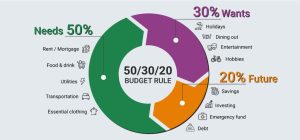
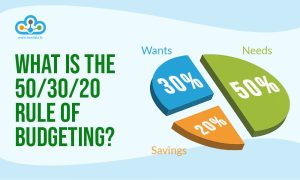
According to this rule, your after-tax income should be divided into t
-
50% for Needs
-
30% for Wants
-
20% for Savings and Debt Repayment
This method is widely recommended in the USA because it is easy to follow and works for most income levels.
50% for Needs (Essential Expenses)
Your essential expenses should not exceed 50% of your monthly income.
Common Needs in the USA:
-
Rent or mortgage payments
-
Utilities (electricity, water, gas, internet)
-
Groceries
-
Health insurance
-
Transportation (car payment, fuel, public transit)
-
Minimum credit card payments
These are non-negotiable expenses required for daily living.
30% for Wants (Lifestyle Expenses)
The 30% category covers non-essential but enjoyable spending.
Examples of Wants:
-
Dining out and takeout
-
Streaming services (Netflix, Hulu, Disney+)
-
Shopping and entertainment
-
Travel and vacations
-
Gym memberships and hobbies
Cutting back here is usually the easiest way to improve your budget.
20% for Savings and Financial Goals
The final 20% of your income should go toward building financial security.
This Includes:
-
Emergency fund
-
Retirement savings (401(k), IRA)
-
Investments (stocks, ETFs, mutual funds)
-
Credit card debt payoff
-
Student loan payments
Financial experts in the USA recommend saving at least 20% of your income whenever possible.
50/30/20 Rule Example (USA)
If your monthly after-tax income is $4,000, your budget would look like this:
Category Percentage Amount Needs 50% $2,000 Wants 30% $1,200 Savings 20% $800 This structure helps maintain balance without sacrificing your lifestyle or future goals.
Benefits of the 50/30/20 Rule
-
Easy to understand and apply
-
Ideal for beginners
-
Helps control overspending
-
Encourages consistent saving
-
Improves long-term financial stability
Because of its simplicity, the 50/30/20 rule is one of the most recommended budgeting methods in the United States.
Who Should Use the 50/30/20 Rule?
This budgeting method is ideal for:
-
Working professionals in the USA
-
College students and recent graduates
-
Freelancers and remote workers
-
People trying to get out of debt
-
Anyone new to budgeting
Final Thoughts
The 50/30/20 rule is a powerful yet simple way to manage your money. By dividing your income into clear categories, you can reduce financial stress, increase savings, and work toward long-term financial freedom.
If you want a budgeting system that actually works in the USA, the 50/30/20 rule is a great place to start.
-
About the Author